
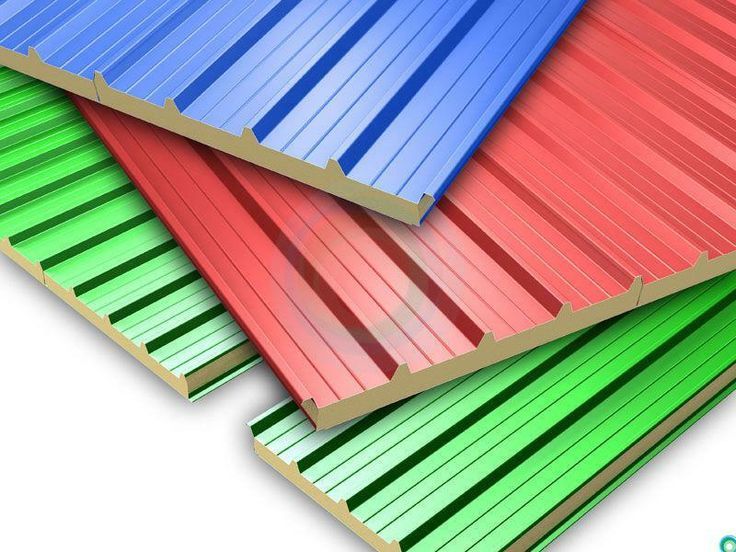
Explains that PUF (polyurethane foam) forms through a reaction between isocyanate and polyol, creating a closed-cell rigid foam with very low thermal conductivity (0.022-0.028 W/m·K). Covers manufacturing via continuous double-belt lamination, ideal foam density (40-42 kg/m3), mechanical strength, fire behavior versus PIR and rockwool, and where PUF is used across Indian industry, closing with a checklist of technical specs buyers should request from manufacturers.
Overview
A deep-dive guide covering the chemistry of polyurethane foam (PUF), how it's manufactured for panels, its thermal, mechanical, sound, and fire properties, and its major applications across cold storage, roofing, pharma cleanrooms, and prefab buildings in India.
Technical Context
Explains that PUF (polyurethane foam) forms through a reaction between isocyanate and polyol, creating a closed-cell rigid foam with very low thermal conductivity (0.022-0.028 W/m·K). Covers manufacturing via continuous double-belt lamination, ideal foam density (40-42 kg/m3), mechanical strength, fire behavior versus PIR and rockwool, and where PUF is used across Indian industry, closing with a checklist of technical specs buyers should request from manufacturers.
Specification Notes
For industrial buyers, the key decision points are material core, panel thickness, surface finish, installation detailing, and long-term operating environment. This topic is especially relevant where heat gain, moisture movement, hygiene, or project speed affect the building's lifecycle cost.
Engineering Takeaway
Use this note as a starting point for specification discussions. Final panel selection should be confirmed against site temperature, span, wind load, fire rating expectations, and the construction schedule before procurement.
Validate final panel thickness, coating, jointing, and installation details against actual site conditions.